|
Hello
It’s now just over two months since the Albanese Government was re-elected. During that time, they have been given a clear message.
The time for incremental reform has passed: they must act boldly to promote health and health equity; and to transform systems that are no longer fit for purpose.
In this Special Edition of the Croakey News bulletin, we put forward a range of suggestions for action, with a focus on addressing the social determinants of health and primary healthcare.
The importance of portfolios beyond health for improving the health and wellbeing of Australians is highlighted in many of the articles.
Professor Bronwyn Fredericks and Associate Professor Megan Ferguson call for action on addressing poverty and housing insecurity as part of the National Strategy for Food Security in Remote First Nations Communities.
Professor Fran Baum and colleagues identify five ways the Prime Minister can improve health equity, including through ensuring the social determinants of health are considered in all related policy development.
Other contributors urge the Government to take advantage of its large majority to revitalise its Measuring What Matters framework, through undertaking a national conversation to build grassroots support.
On that note, we now have two new categories at Croakey: check our archives of articles on the wellbeing economy; and Measuring What Matters framework.
The Australian Social Prescribing Institute of Research and Education (ASPIRE) is calling on the Albanese Government to back three key social prescribing initiatives as part of its Medicare modernisation agenda.
Meanwhile, Leanne Wells and Dr Paresh Dawda argue that Australia is well placed to develop a new era of comprehensive primary healthcare, and they outline a vision for flourishing health and social care systems.
Tracey Johnson says a major overhaul of how we organise and fund healthcare is urgently needed to support better health and healthcare for people who are most disadvantaged by current systems.
Professor Anna Peeters makes the case for prevention and health to be on the Federal Government’s agenda for its economic reform roundtable next month.
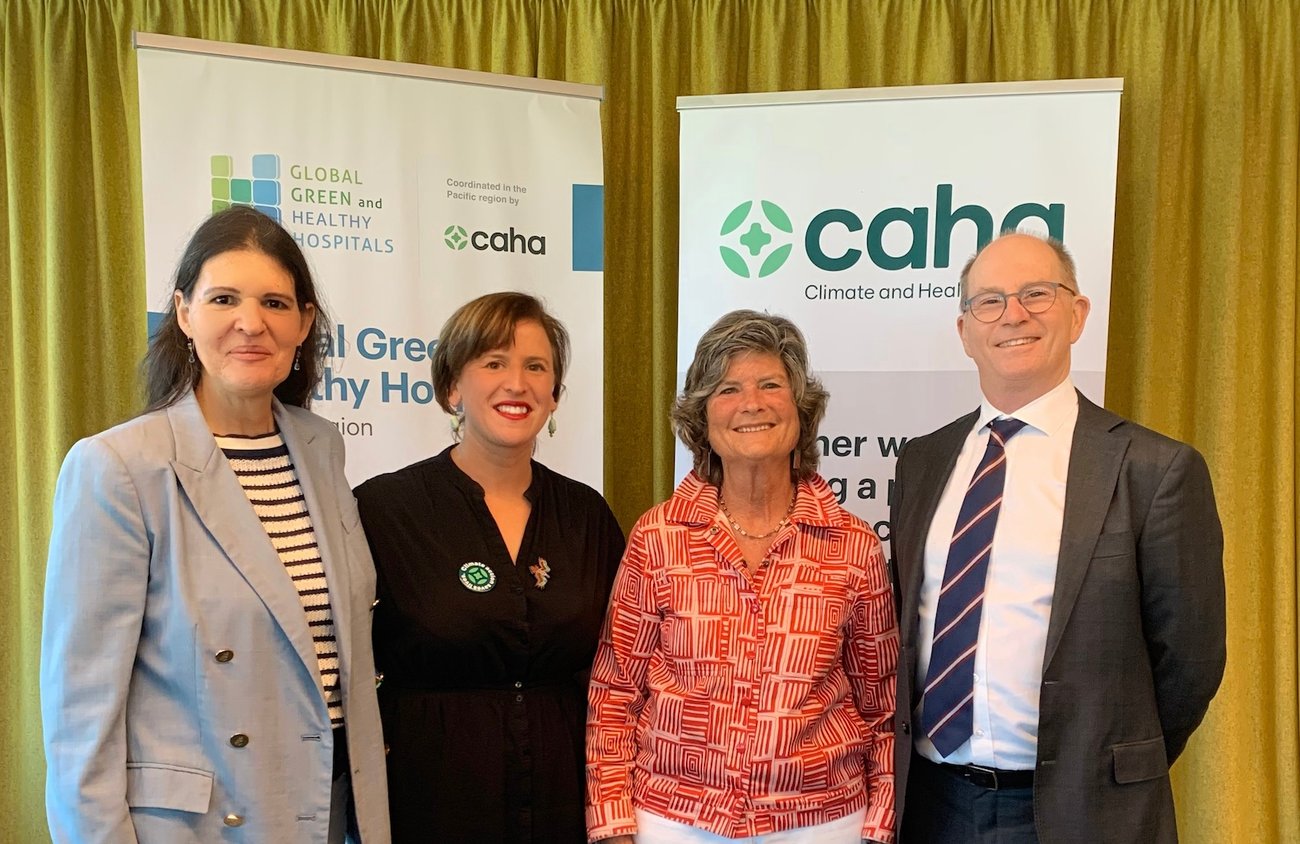
As extreme weather events escalate around the globe, health leaders have called for climate health action to be made a central priority of the national health portfolio.
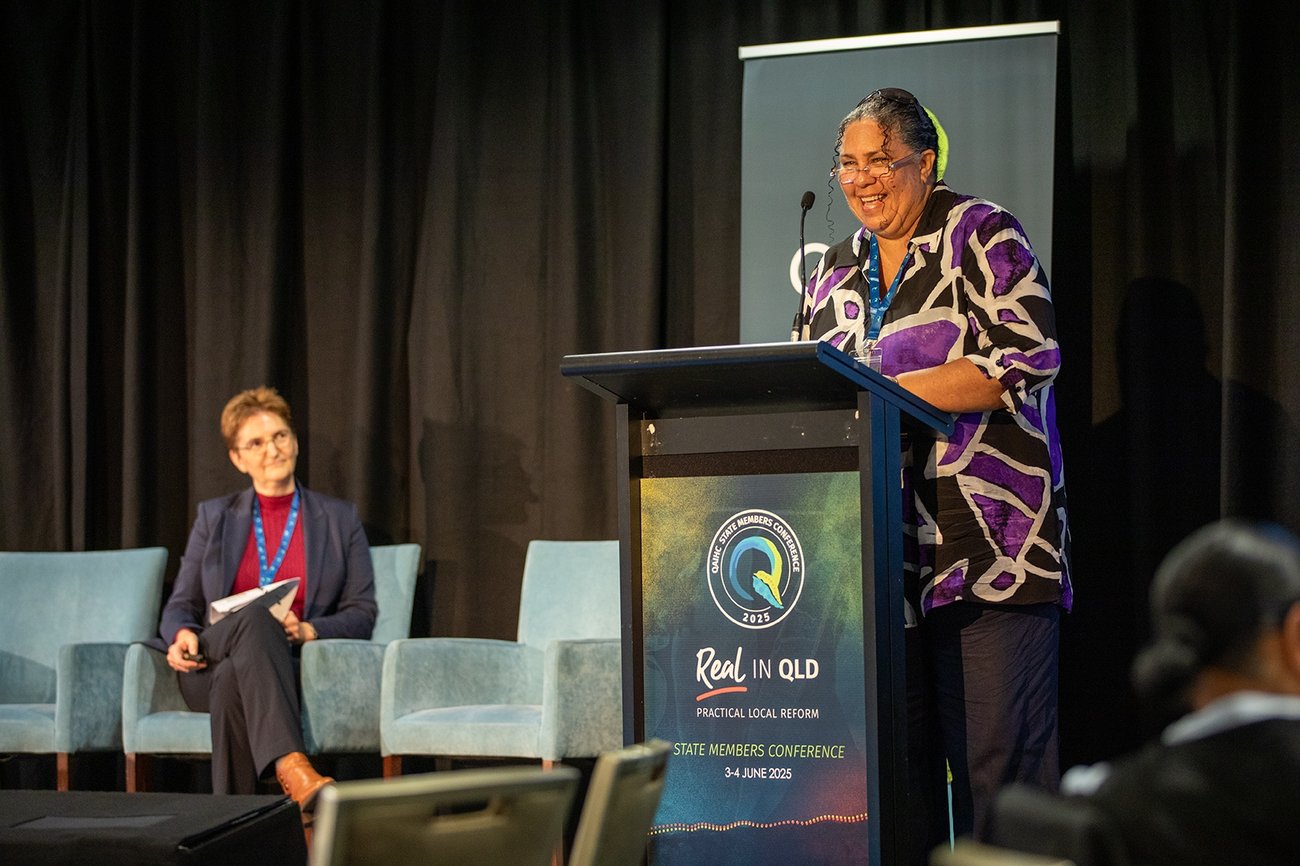
This bulletin also profiles examples of structural reform; see this recent report about a new community-controlled health commissioning body, which will operate across a vast area of northern Queensland and the Torres Strait.
The Government is under pressure on many fronts, and its capacity to deliver bold reform will be shaped by wide-ranging constraints.
Adjunct Professor Kathy Eagar sees the Government’s restructuring of health, ageing and disability responsibilities as “a strategic opportunity for the Minister and his portfolio team to address these complex problems as one system and not simply continue the tradition of passing the buck from one program to another”.
Peter Breadon offers some suggestions for how Minister Butler and co could create a legacy built upon structural reforms, with a focus on financing, prevention and developing a pathway to universal primary dental care. He also calls for national reforms to enable GPs to get quick written advice from specialists.
Workforce challenges are extensive, and are especially important for the community mental health sector.
Shortly after the federal election, we published a lengthy analysis with comments from across sectors.
“Labor’s first term ended with a widespread sense that they could, and should, have achieved so much more in critical areas, from climate action to better outcomes for Aboriginal and Torres Strait Islander people, to public health and healthcare reform,” the article said.
Please join us at Croakey in tracking reform progress across this next term. Warm thanks to our contributors and funders for supporting this work.
In case you missed it, see our pre-election Special Edition. |